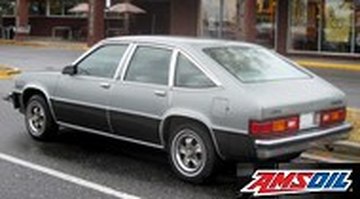
Lubrication Maintenance for the 1982 Chevrolet CITATION 2.8L
Maintaining the engine lubrication system in a vehicle like the 1982 Chevrolet CITATION with a 2.8L engine requires consistent attention to fluid condition and component integrity. Proper lubrication is fundamental to managing the internal friction and thermal loads generated during operation. For owners of this era of Chevrolet vehicles, staying proactive with routine inspections can help identify potential issues before they escalate into more significant mechanical concerns.
Monitoring Fluid Condition and Potential Leaks
One of the most effective ways to monitor the health of the 2.8L engine is through regular visual inspections of the lubrication system. Over time, various seals and gaskets may experience changes in their ability to contain fluids. It is useful to periodically check the area around the engine for any signs of seepage or active leaks. Finding evidence of fluid on the engine block or surrounding components can be an early indicator that a seal or gasket requires attention.
When performing these checks, look for:
- Dampness or oily residue on various engine surfaces.
- Puddles or spots on the ground beneath where the vehicle is parked.
- Changes in the color or consistency of the oil when checked via the dipstick.
If you notice a significant change in how much oil the engine seems to be using between service intervals, this warrants further investigation. While some consumption can occur as engines age, unexpected changes should be addressed to ensure the lubrication system remains adequately filled.
Observing Potential Warning Signs
Drivers should remain attentive to how the vehicle behaves during operation. While many mechanical issues do not present immediate symptoms, certain indicators can suggest that the lubrication system or related components need a closer look. For example, unusual noises coming from the engine compartment may be associated with changes in lubrication levels or quality. Similarly, if you notice any unexpected exhaust characteristics, such as smoke, it is advisable to have the vehicle inspected.
It is important to remember that symptoms like unusual odors or sounds can have multiple underlying causes. An odor that suggests oil is contacting a hot surface might be related to a leak, but it could also stem from other sources. Rather than attempting to diagnose a specific component based on a single symptom, use these observations as prompts to schedule a professional inspection. Promptly addressing warning signs helps maintain the operational integrity of the 2.8L engine.
Managing Maintenance Records and History
For long-term ownership of a 1982 Chevrolet CITATION, establishing a clear maintenance baseline is highly beneficial. If you have recently acquired the vehicle, reviewing any available service history can provide insight into how the engine has been cared for in the past. Knowing when the oil was last changed, what type of products were used, and if any major repairs were performed helps create a roadmap for future service.
If documentation is incomplete, you can establish your own baseline by performing a thorough initial inspection. This includes checking the condition of all visible fluids, inspecting hoses and belts (if equipped), and noting the current state of all gaskets and seals. Keeping a detailed log of every oil change, filter replacement, and mechanical repair ensures that you can track the vehicle's needs over time and distinguish between routine maintenance and emerging issues.
Prioritizing Service as the Vehicle Ages
As vehicles move through higher mileage cycles, maintenance priorities often shift from purely preventive tasks to a more condition-based approach. Instead of following a rigid schedule based solely on age, it is often more effective to prioritize tasks based on the actual state of the vehicle's components. This means focusing on addressing active leaks or visible signs of wear before moving on to other service items.
Effective prioritization involves:
- Reviewing existing maintenance records to identify overdue services.
- Monitoring for changes in how the engine consumes fluids.
- Inspecting aging materials, such as rubber hoses or belts (if equipped), for signs of deterioration like cracking or glazing.
- Distinguishing between necessary repairs and unnecessary parts replacement by focusing on components that show actual wear.
By focusing on the current condition of the 2.8L engine, you can allocate resources more effectively, ensuring that the most critical maintenance tasks are completed to maintain reliable operation.
General Engine Component Inspection
Beyond the lubrication system itself, a holistic approach to engine care involves inspecting the various systems that support engine health. For an older vehicle, this includes checking the condition of the cooling system and electrical connections. If the cooling system is not functioning efficiently, it can lead to increased thermal stress on the engine oil, potentially affecting its performance.
Additionally, if the vehicle is equipped with various drive belts, these should be inspected for signs of fraying, cracking, or contamination. Similarly, checking the air filtration system ensures that the engine is not ingesting excessive debris, which can impact overall cleanliness within the engine environment. Regular, methodical inspections of these peripheral components contribute to a more stable and predictable maintenance routine.
Practical Advice for Buying Engine Oil for your 1982 Chevrolet CITATION 2.8L
When it is time to replenish the lubrication in your 1982 Chevrolet CITATION 2.8L, the most important step is to ensure the product you select matches the specific requirements of your engine. Rather than relying on general assumptions about older vehicles or modern oil trends, always refer to the application-specific viscosity and lubricant information provided on this webpage.
When shopping for new oil, keep these practical tips in mind:
- Match the oil to the vehicle-specific viscosity information shown above.
- Check the product labeling carefully to ensure it meets the appropriate API service classifications.
- Consider different formulations, such as conventional, synthetic blends, or high-mileage oils, based on your specific engine needs and the guidance provided in the application data. Some high-mileage oil formulations contain additives intended for use in aging engines, including seal-conditioning additives.
- Always verify that the container is sealed and that the product is appropriate for the 2.8L engine displacement.
By following the specific guidance listed in the application information on this page, you can ensure that your lubrication choices support the continued operation of your Chevrolet CITATION.